A brand can spend all its time showing people what it sells and still miss the bigger opportunity: giving people a reason to care about it. Red Bull offers an interesting example of what happens when the product becomes part of a much larger experience.
Red Bull doesn't need the can to tell its story
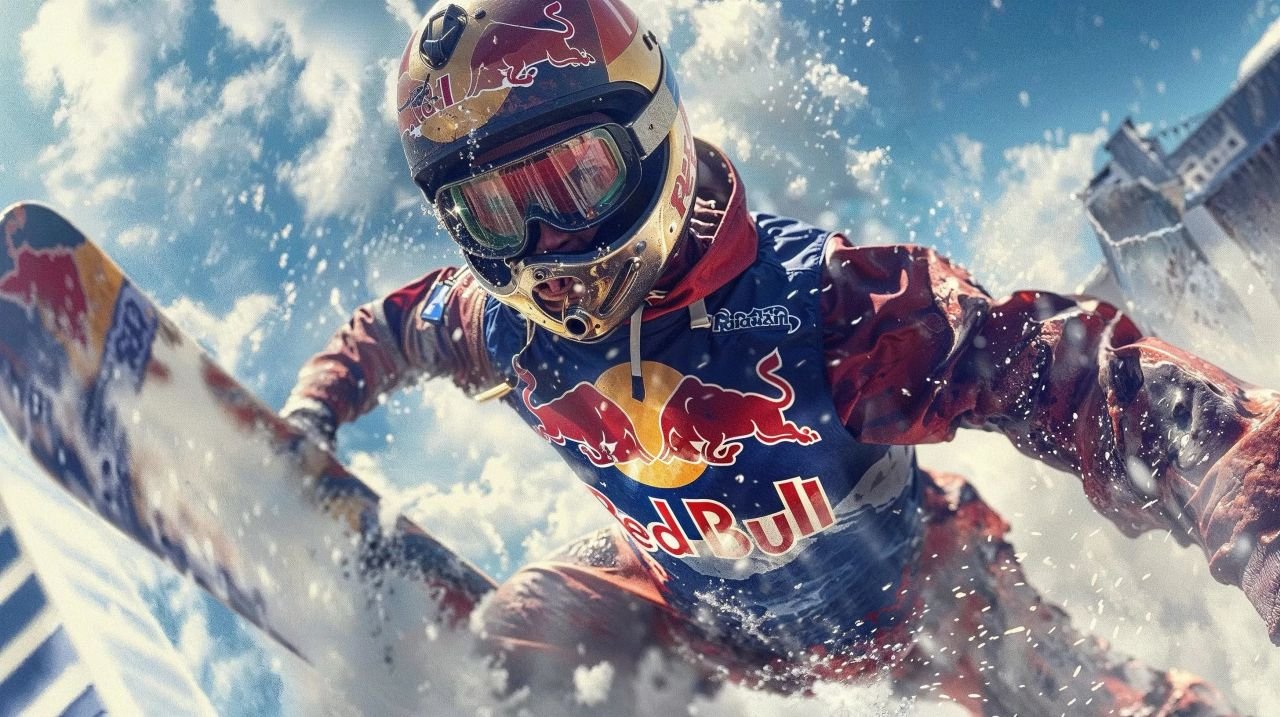
Think about how Red Bull shows up in marketing. Athletes wear its logo. Racing teams, extreme sports and record-breaking stunts put the brand in the middle of high-energy experiences.
The product often takes a backseat. The action does the talking.
Instead of making every interaction about the drink itself, Red Bull has built an association with energy, ambition, adrenaline and pushing boundaries. Its identity becomes part of the world people are watching, following or aspiring to be part of.
That's a different way to approach marketing. The brand isn't simply asking for attention at the point of sale. It's creating reasons for people to recognise it and connect it with something beyond the product.
From recognition to association
Recognition means someone can identify your logo. Association means the logo brings something to mind.
For a brand, that distinction matters. A customer might recognise a product on a shelf and move on. But when a brand consistently connects itself with a particular feeling, interest or experience, it has another way to become memorable.
This doesn't mean every business needs extreme sports, big sponsorships or record-breaking stunts. Those are expressions of Red Bull's particular brand world, not a universal marketing formula.
A smaller brand can start with a simpler question: what should people associate with us, beyond what we sell?
A food brand might think about the occasions around its product. A lifestyle brand might focus on the routines, interests or aspirations its audience identifies with. The execution will differ, but the thinking starts in the same place: understand what the product means in someone's life, not just what it does.
Build a world your audience wants to enter
When planning your next campaign, don't begin and end with the product shot, the feature list or the sales message. Those things have a role, but they don't have to carry the entire story.
Try asking three questions instead:
- What feeling do we want people to associate with our brand?
- What interests, moments or experiences naturally connect with that feeling?
- How can our content, campaigns and visual identity make that connection recognisable over time?
The answers should shape the creative work, not sit in a strategy document that nobody uses. A brand's social content, campaign ideas and visual language should feel like parts of the same world.
The goal isn't to hide the product. It's to give people a reason to want it that goes beyond its immediate function.
If you're building a brand, start by looking at what you currently communicate. Is every message asking people to buy something, or are you also giving them a reason to care about what your brand represents?